Financial well-being October 11, 2024 By
In today's business landscape, cybersecurity has become a fundamental concern for businesses of all sizes. As companies increasingly rely on digital tools and platforms to manage operations, communicate with customers, and store sensitive information, they are also becoming prime targets for cybercriminals. Having a strong cybersecurity plan in place can help to protect businesses from potentially devastating threats, such as data breaches, financial losses, and reputational damage.
The Growing Cybersecurity Threat
Cybersecurity risks are growing at an alarming rate. According to a report by IBM, the average cost of a data breach in 2023 was $4.45 million. Cybercriminals continue to develop sophisticated techniques, making it difficult for businesses to stay ahead of evolving threats. From phishing scams and ransomware attacks to advanced persistent threats (APTs) and insider threats, businesses face multiple avenues of cyberattacks that can disrupt their operations.
Key Cybersecurity Risks to Businesses
Phishing Attacks
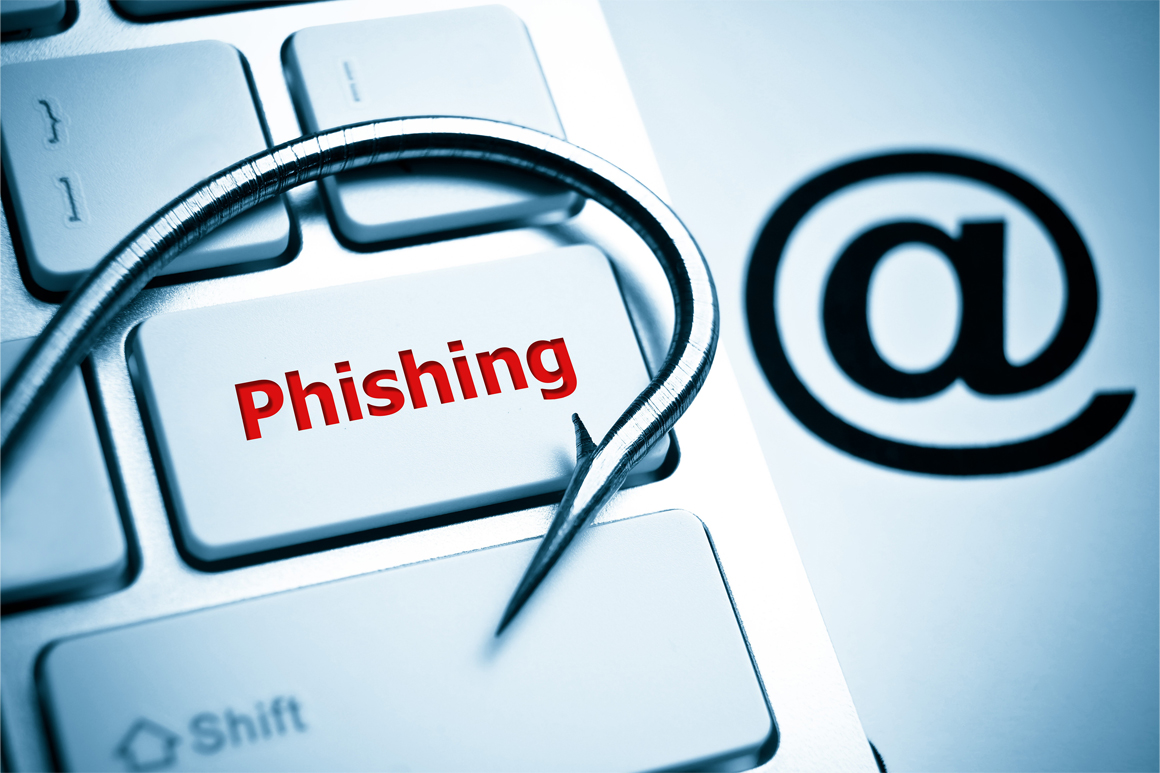
Phishing is one of the most common forms of cyberattacks where attackers impersonate legitimate entities to trick employees into providing sensitive information or clicking malicious links. Businesses must educate their employees to recognize and avoid phishing attempts.
Ransomware
Ransomware attacks involve encrypting a company’s data and demanding a ransom in exchange for restoring access. In many cases, even paying the ransom doesn’t guarantee data recovery. Preventive measures such as regular backups and updated software are critical to minimizing this threat.
Data Breaches
Data breaches expose sensitive business and customer information, leading to legal consequences, loss of trust, and financial penalties. In sectors like healthcare and finance, breaches can result in regulatory fines and lawsuits.
Insider Threats
Sometimes the most significant threat comes from within. Insider threats occur when employees, either maliciously or unintentionally, compromise a company's security by mishandling data or sharing confidential information.
Supply Chain Attacks
Many businesses work with third-party vendors or partners. Cybercriminals can exploit vulnerabilities within the supply chain, gaining access to business networks through trusted but less secure vendors.
Cybersecurity Best Practices for Businesses
To safeguard against these risks, businesses need to adopt comprehensive cybersecurity strategies that include the following:
Employee Training and Awareness
The human factor remains one of the weakest links in cybersecurity. Conducting regular training sessions to educate employees about the latest cyber threats, safe online practices, and the importance of reporting suspicious activities is vital.
Data Encryption and Backup
Encrypting sensitive data ensures that even if it is intercepted, it cannot be accessed without the correct encryption keys. Regular backups are also essential to ensure that businesses can recover their data in the event of an attack.
Implementing Strong Passwords and Multi-Factor Authentication (MFA)
Strong, unique passwords across all business systems, combined with multi-factor authentication (MFA), add an additional layer of security that makes unauthorized access much more difficult.
Regular Software Updates
Outdated software often contains vulnerabilities that hackers can exploit. Regularly updating operating systems, applications, and security tools ensures that your business is protected against known threats.
Network Monitoring and Intrusion Detection Systems (IDS)
Implementing monitoring systems and intrusion detection solutions can help detect and respond to cyberattacks in real time. These tools provide visibility into your network traffic, helping you identify and stop attacks early.
Disaster Recovery and Incident Response Plans
Every business needs a robust disaster recovery and incident response plan to manage cyber incidents. These plans should outline steps for minimizing damage, recovering from an attack, and communicating with stakeholders.
Compliance and Regulatory Considerations
Depending on your industry, there may be specific regulatory requirements governing cybersecurity practices. For example, businesses in the financial sector must comply with the Gramm-Leach-Bliley Act (GLBA), while healthcare businesses must adhere to the Health Insurance Portability and Accountability Act (HIPAA). Failing to meet these requirements can result in legal repercussions and heavy fines.
The Role of Cybersecurity Insurance
As cyber threats become more prevalent, many businesses are turning to cybersecurity insurance to mitigate financial risks. Cybersecurity insurance policies can cover the cost of recovery, legal fees, and potential fines. While this doesn’t replace a proactive cybersecurity strategy, it can provide an additional safety net in case of a breach.
The Future of Cybersecurity
With the rise of emerging technologies such as artificial intelligence (AI), machine learning, and the Internet of Things (IoT), businesses will continue to face new cybersecurity challenges. Staying informed about the latest trends and investing in advanced security tools will be crucial for businesses looking to protect themselves in the digital landscape.
Cybersecurity is no longer just an IT issue but a business-wide priority. As cyber threats evolve, businesses must adopt a proactive and comprehensive approach to cybersecurity, focusing on prevention, education, and rapid response to protect their assets and maintain the trust of their customers.