Financial well-being October 8, 2024 By
Phishing and fraud are significant threats in the banking world today. With fraudsters constantly devising new tactics to deceive unsuspecting customers, staying informed and vigilant is crucial. This blog will help you understand what phishing is, identify common tactics used by fraudsters, and take steps to protect yourself. Let's ensure your hard-earned money remains safe and secure.
What is Phishing and How Does it Work in Banking Fraud?
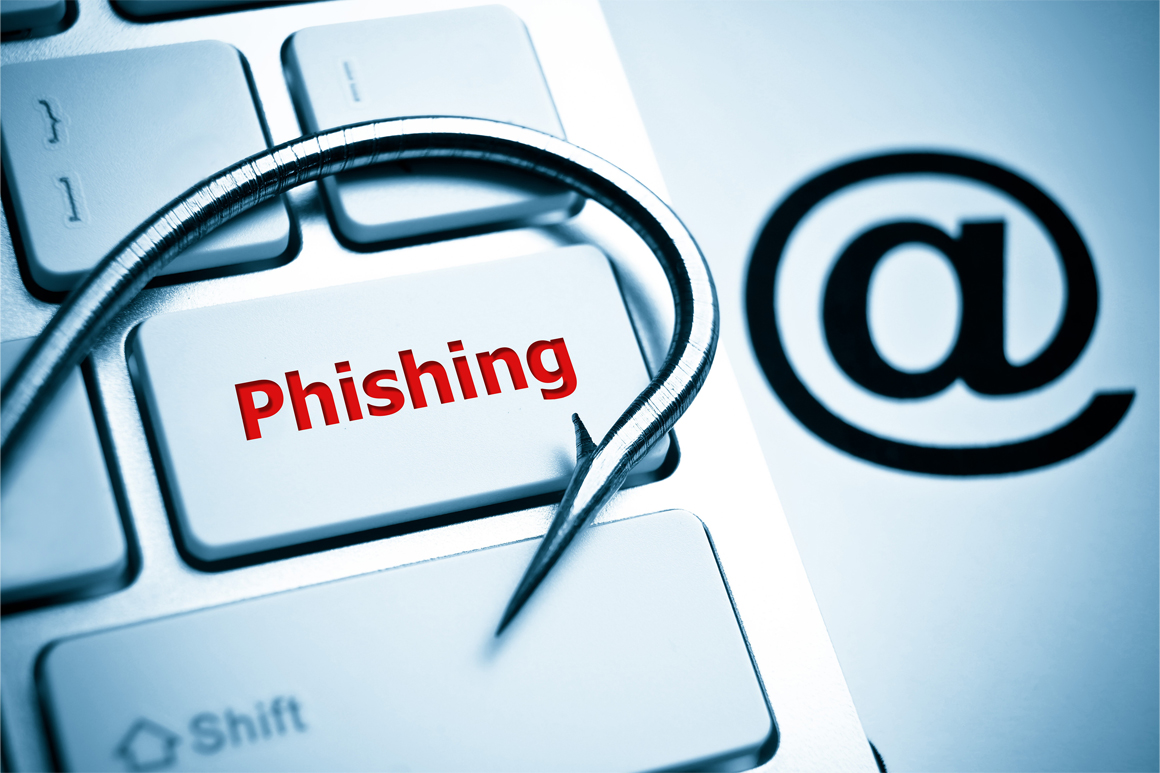
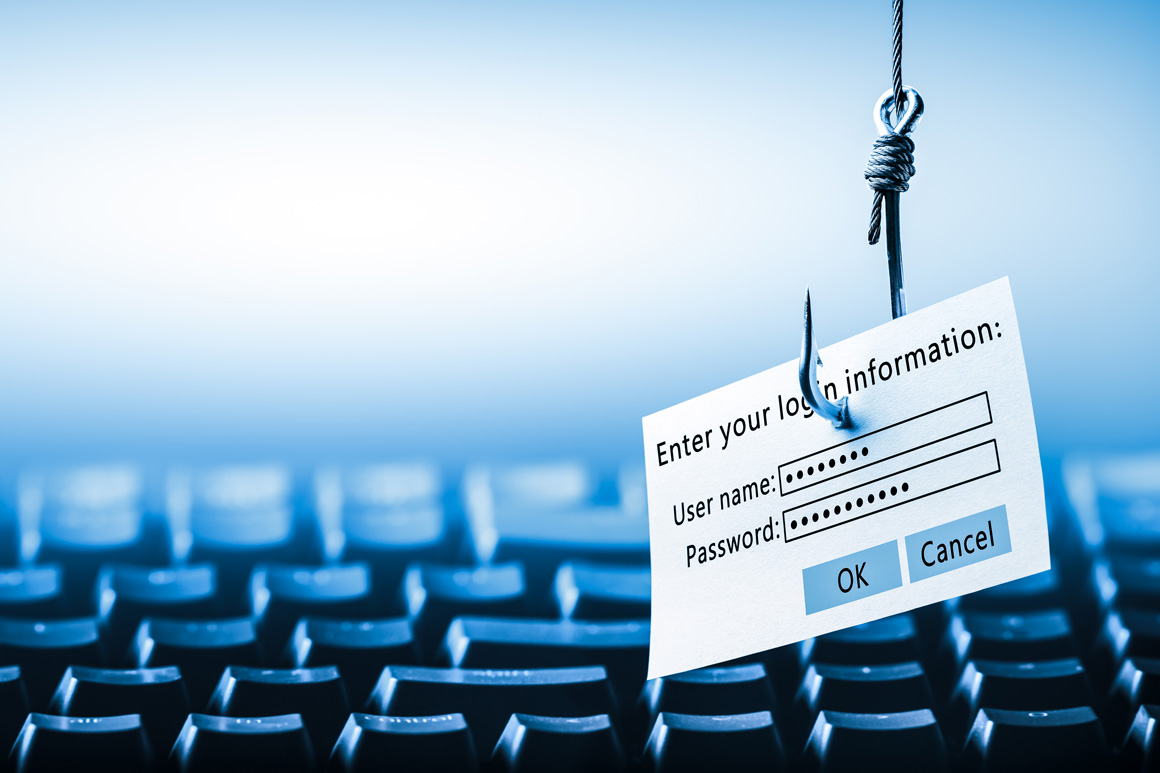
Phishing is a type of cyber attack where fraudsters trick individuals into revealing sensitive information such as usernames, passwords, and credit card details. In the context of banking, phishing often involves fraudsters posing as legitimate bank representatives to gain access to your financial information. They may use emails, phone calls, or text messages to accomplish their deceitful goals.
Common Tactics Used by Fraudsters
Fraudsters employ a variety of tactics to dupe bank customers. Here are some of the most common ones:
- Email Scams: Fraudsters send emails that appear to come from your bank, requesting you to click on a link and enter your login credentials.
- Phone Scams: Impersonating bank representatives, they call you, claiming there's unauthorized activity on your account, and ask for personal and financial information to "verify" your identity.
- Text Message Scams: You might receive a text alerting you about a large transaction on your account, directing you to call a number that closely resembles your bank's official number, leading you to reveal sensitive information.
Red Flags to Identify Phishing Attempts
Stay alert and look out for these red flags to spot phishing attempts:
- Unexpected Contact: Receiving an unsolicited email, call, or text from someone claiming to be your bank.
- Urgency and Threats: Messages that create a sense of urgency or fear, pressuring you to act quickly without thinking.
- Suspicious Links: Links in emails or texts that direct you to a website asking for your login credentials or personal information.
- Poor Grammar and Spelling: Legitimate banks rarely make grammatical mistakes. Multiple errors are a clear red flag.
Steps to Protect Yourself
Taking proactive steps can significantly reduce your risk of falling victim to phishing and fraud:
- Verify the Source: Always verify the contact source before sharing any information. Call your bank using the number on the back of your card or visit the official website.
- Enable Multi-Factor Authentication: Use multi-factor authentication to add an extra layer of security to your online banking.
- Monitor Your Accounts: Regularly check your bank statements and online accounts for any unauthorized transactions.
- Educate Yourself: Stay informed about the latest phishing tactics and scams targeting bank customers.
The Role of Banks in Preventing and Detecting Fraud
Banks play a critical role in safeguarding your financial information. They deploy advanced security measures to prevent and detect fraudulent activities, such as:
- Real-Time Transaction Monitoring: Monitors your transactions in real-time to detect and prevent suspicious activities.
- Customer Education: Banks frequently educate customers about common scams and how to protect themselves.
Real-Life Examples of Phishing Scams
Understanding real-life phishing scams can help you recognize and avoid them:
- Bank Representative Scam: Fraudsters posed as bank representatives, claiming there was unauthorized activity on the customer's account. They requested personal and financial information to "verify" the account's security.
- Sophisticated Phishing Email: A phishing email mimicked the exact layout, design, and email address of a well-known bank, leading to several customers disclosing their login credentials and financial data.
- Fake Transaction Alert: A customer received a text message alert about a large transaction on their account, directing them to call a number that looked like their bank's official number. They were then conned into revealing sensitive information.
- Success Story of Bank's Security Measures: A bank's multi-factor authentication and real-time transaction monitoring prevented a significant phishing attack, safeguarding customers from fraud.
Stay Informed and Vigilant
The importance of staying informed about the latest fraud trends cannot be overstated. By understanding the tactics used by fraudsters and taking proactive steps to protect yourself, you can significantly reduce your risk of falling victim to phishing and fraud. Remember, your bank is your ally in this fight, offering advanced security measures and education to help you stay safe.
Stay vigilant. Stay informed. Protect your finances.
Do you have any questions about phishing and fraud prevention? Contact us today, and let's ensure your financial security together.