Financial well-being February 6, 2025 By
When was the last time you thought about your passwords? Be honest. Are they strong enough to keep your accounts safe?
Passwords are your first line of defense in the online world. Weak or predictable passwords make you an easy target for hackers. The good news? Making stronger passwords is simple, and it can drastically improve your online security. Follow these tips to protect yourself and your data.
Why Strong Passwords Matter
Imagine leaving your front door unlocked in a busy neighborhood. That’s what using weak passwords feels like in the digital world. Hackers constantly test simple passwords, trying to gain access to accounts. A strong password acts like a steel deadbolt, keeping your data secure from prying eyes.
Still not convinced? Here’s a fact that might give you pause—the most common password in the world is still '123456' followed closely by ‘password.’ Shocking, right?
Don’t be predictable. Take control of your cybersecurity.
Simple Cybersecurity Tips for Strong Passwords
Here are practical and effective tips to help you create unbreakable passwords:
Use Long Passwords
The longer your password, the harder it is to crack. Aim for at least 12 characters or more. Each extra character makes it exponentially more difficult for hackers to guess.
Mix It Up
Use a combination of uppercase and lowercase letters, numbers, and special characters. For example, instead of "sunshine," go for "SuN$h1ne!3."
Avoid the Obvious
Steer clear of personal information like your name, birthday, or pets’ names. Hackers can find those through social media or a quick online search.
Use Passphrases Instead
A passphrase uses a string of random but memorable words. For example, “Banana!Electric?Cupcake7” is easier to remember but incredibly hard to guess.
Unique Passwords for Every Account
Recycling passwords across accounts is a big no-no. If one account gets compromised, all your accounts become vulnerable. Use a unique password for each account to limit your risk.
Get a Password Manager
Struggle to remember your passwords? A password manager stores and generates strong, unique passwords for every site. Tools like LastPass or Dashlane make it easy.
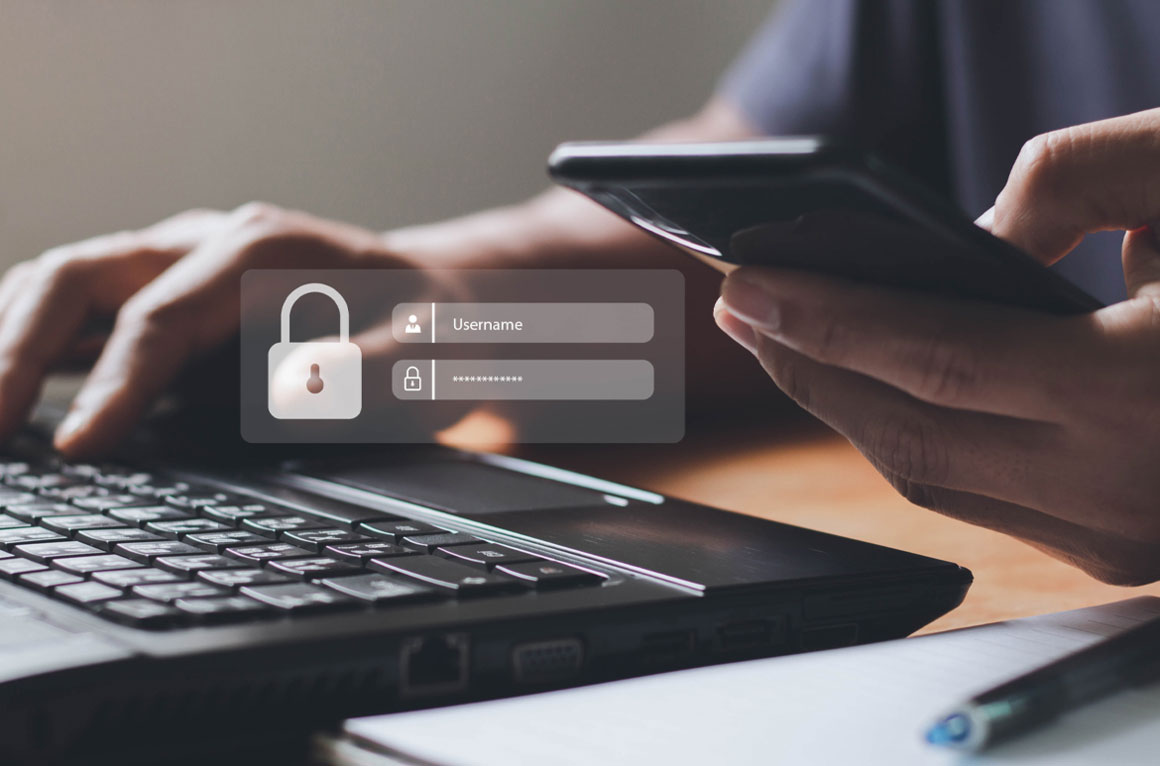
Enable Two-Factor Authentication (2FA)
2FA adds an extra layer of protection by requiring a second verification method, like a code sent to your phone. Even if someone has your password, they won’t get in without the second step.
Change Passwords Regularly
Set a reminder to update your passwords every few months. This keeps your accounts secure, especially if there’s been a security breach you’re unaware of.
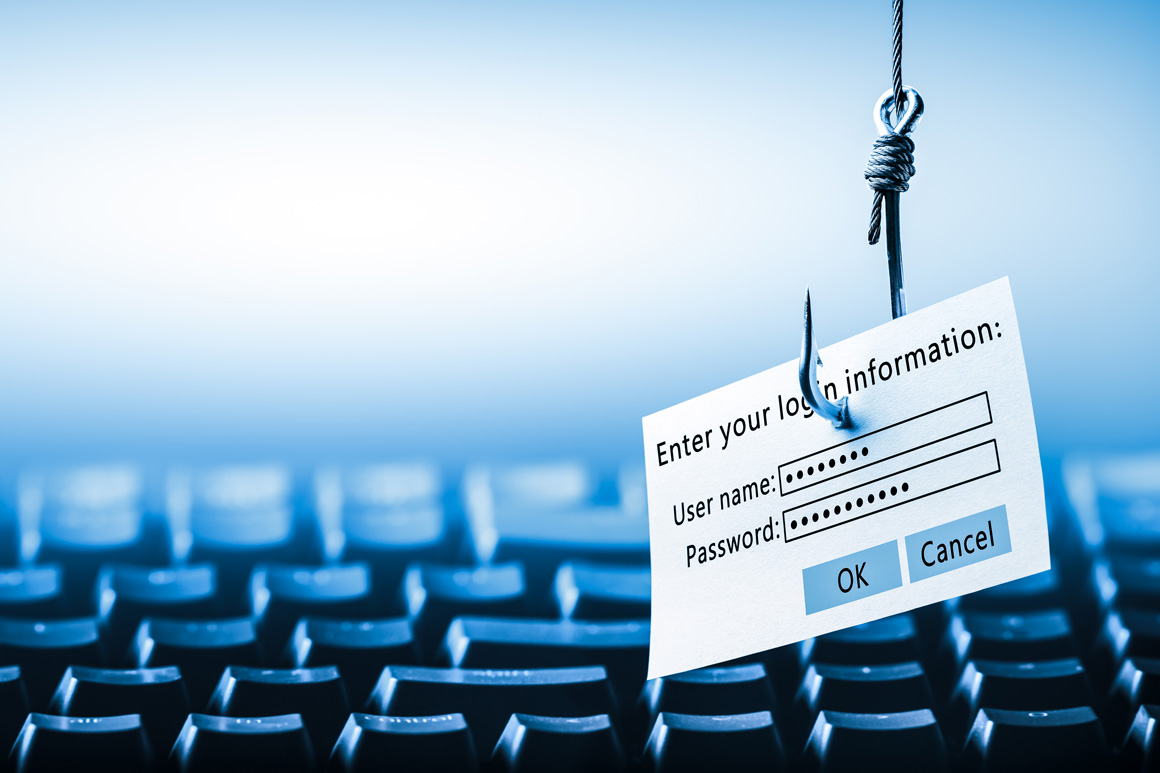
Beware of Phishing Scams
No matter how strong your password is, you could still lose control of your account by accidentally sharing it with scammers. Always double-check links and sender emails before entering sensitive information online.
The Cost of Ignoring Password Security
Weak passwords have consequences. A hacker could access your bank accounts, steal your identity, or even impersonate you online. The average data breach costs $4.45 million in 2023—and it’s only rising.
Take it seriously now, rather than paying the price later.
Make Password Security a Habit
Your cybersecurity is only as strong as your weakest password. These tips don’t take long to implement, but they can save you years of stress.
Start today. Pick one account and make its password bulletproof. Then do the same for every other account. It's a small step that can make a huge difference.
Cybersecurity isn’t just for the "tech-savvy" crowd—it’s for everyone. Take charge of your online safety now.
Want more cybersecurity tips? Follow the Spend Life Wisely blog for regular updates and expert advice.